After I Refused to Put My Credit on the Line for My Sister’s Mortgage, She Backed Her SUV Into My Car, Smiled and Called It an Accident—Then Mom Shrugged That It Was “Just a Dent,” as if protecting my financial future made me selfish but damaging something I worked for was no big deal.
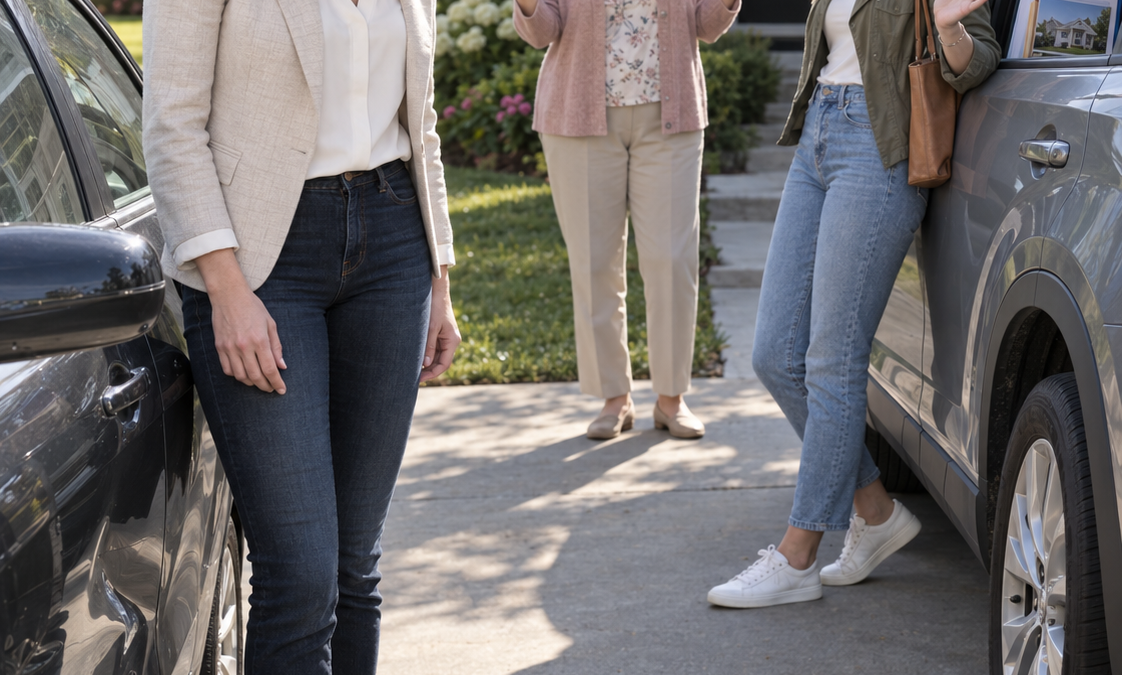
Nicole looked directly at me before she put her SUV in reverse.
That was the detail I kept remembering.
Not the sound of metal.
Not the dent.
Her eyes.
We were standing in Mom’s driveway on a Sunday afternoon in early September.
Lunch had started normally.
Chicken salad.
Iced tea.
Mom asking too many questions about my work.
Nicole arriving twenty minutes late because she had been looking at houses with her boyfriend, Mason.
Then, somewhere between dessert and coffee, Mom said:
“So. Nicole tells me you still haven’t signed.”
I knew exactly what she meant.
“I’m not signing.”
Nicole pushed her cake plate away.
“Here we go.”
I was thirty-eight.
Nicole was thirty-one.
We had been repeating versions of this conversation since she was seventeen.
Nicole wanted something.
Mom decided family should help.
I asked practical questions.
Everyone acted as though practicality were a character defect.
This time, the thing Nicole wanted was a house.
A new three-bedroom home in a development called Brookfield Pines.
Gray siding.
White kitchen.
Small yard.
Bonus room upstairs.
Nicole had already shown me the listing enough times that I could probably have drawn the floor plan from memory.
She worked in event sales.
Her income was decent when commissions were strong.
Unpredictable when they weren’t.
Mason installed commercial security systems.
Together, they earned enough to rent comfortably.
Buying was harder.
Nicole had a car loan.
Credit-card balances.
Two late-payment marks from the previous year.
The mortgage lender had approved them only with conditions.
More reserves.
A larger down payment.
Or another financially strong borrower.
Nicole chose option three.
Me.
When she first asked, I thought she meant advice.
“Avery, can you look at our loan numbers?”
I did.
Then she sent the actual application.
My name had been added to a draft section marked supporting co-borrower.
I called immediately.
“What is this?”
“The broker said it would help.”
“You added me before asking?”
“It’s a draft.”
“That isn’t the point.”
“You have an eight-twenty credit score.”
“I’m aware.”
“You own your condo.”
“Yes.”
“You make good money.”
“Yes.”
“So this is easy.”
That sentence ended the conversation.
Easy.
People love describing risk as easy when the risk belongs to someone else.
I told her no.
Nicole hung up.
Then Mom called.
“Avery, what happened?”
“She asked me to co-sign.”
“And?”
“I said no.”
Silence.
Then the sigh.
The family sigh.
The one that meant I had once again failed an invisible test.
“Why?”
“Because I don’t want a mortgage on my credit for a house I don’t own or live in.”
“You make everything sound so cold.”
“It’s a financial contract.”
“She’s your sister.”
“Still a financial contract.”
Mom told me I was being dramatic.
Nicole told me the lender was “only using my credit.”
I explained that there was no version of co-borrowing where the bank borrowed my name decoratively.
If Nicole and Mason stopped paying, the payment obligation would not disappear out of respect for sibling relationships.
Nicole stopped speaking to me for four days.
Then came Sunday lunch.
Mom had apparently invited both of us because she believed baked chicken had diplomatic properties.
It did not.
By dessert, Nicole was explaining that the lender needed my answer Monday.
“You have my answer.”
She crossed her arms.
“You don’t trust me.”
“This isn’t a trust exercise.”
“That’s exactly what it is.”
“No. It’s a mortgage.”
Mom interrupted.
“Avery.”
I looked at her.
“Your sister has been working so hard.”
“I didn’t say she hasn’t.”
“She’s finally trying to build something.”
“I know.”
“And you could make that easier.”
There was that word again.
Easier.
My entire childhood with Nicole could be summarized by who was expected to make things easier.
When Nicole forgot lunch money, I shared mine.
When she broke Mom’s favorite serving bowl, I was told not to upset her because she already felt terrible.
When she borrowed my college laptop and returned it with a cracked hinge, Mom called it “normal sister stuff.”
Nicole was not evil.
That would have made boundaries simpler.
She was funny.
Generous in bursts.
Excellent at choosing birthday gifts.
The first person who called when my engagement ended six years earlier.
She was also accustomed to consequences arriving softened.
Mom had spent decades translating discomfort into rescue.
I had participated too.
Until I learned that helping people avoid every consequence eventually becomes its own form of damage.
Nicole leaned toward me.
“You act like I’m going to stop paying.”
“You missed four car payments last year.”
“I was between jobs.”
“That’s exactly the kind of thing lenders evaluate.”
“I have a job now.”
“Yes.”
“Mason has a job.”
“Yes.”
“So?”
“So buy the house on terms you qualify for.”
Her eyes narrowed.
“The terms suck because you won’t help.”
Mom put down her fork.
“That’s enough.”
For one hopeful second, I thought she meant Nicole.
Then Mom turned toward me.
“Couldn’t you do this for two years?”
“No.”
“Then they refinance and take you off.”
“Maybe.”
“Not maybe.”
“That depends on their income, credit and market conditions two years from now.”
Mom shook her head.
“You always find a reason.”
That sentence bothered me.
I had reasons.
Numbers.
Obligations.
Those were not excuses simply because my family disliked them.
Nicole stood.
“Forget it.”
She took her purse.
Mom followed us into the driveway.
I was checking an email beside my sedan when Nicole climbed into her SUV.
She started the engine.
I looked up.
Our eyes met through the driver’s window.
Then she reversed.
Her vehicle rolled toward mine.
At first, I assumed she would stop.
She didn’t.
The rear corner contacted my passenger-side door with a dull crunch.
Metal flexed.
Nicole braked.
Then pulled forward.
For a second, nobody moved.
She opened her door.
Looked at the dent.
Then smiled.
“Oops.”
I stared at her.
“Oops?”
“Accident.”
Mom hurried down.
“What happened?”
Nicole pointed.
“I misjudged it.”
The passenger door had a deep crease across the center panel.
Mom examined it.
“Oh.”
Nicole said:
“It’s not that bad.”
Mom shrugged.
“It’s just a dent.”
Something inside me went quiet.
I looked at Mom.
“My car.”
“I know whose car it is.”
“You don’t seem concerned.”
“Avery, nobody was hurt.”
“That’s not the standard.”
Nicole rolled her eyes.
“I said it was an accident.”
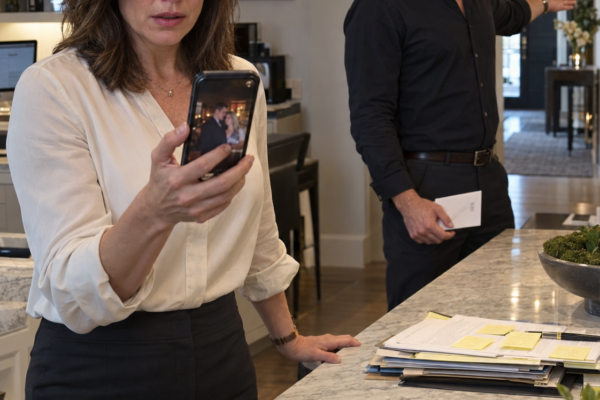
I took out my phone.
Photographed the damage.
Her SUV.
The driveway.
Nicole’s license plate.
Mom looked offended.
“Seriously?”
“Yes.”
“You’re documenting your own sister?”
“I’m documenting damage to my car.”
Nicole laughed.
“That is so you.”
I didn’t ask what she meant.
I already knew.
Cold.
Difficult.
Technical.
The family vocabulary for someone who wanted facts to remain facts.
Mom said:
“Get an estimate. We’ll figure it out.”
“We?”
She hesitated.
Nicole looked annoyed.
I understood immediately.
Mom had already imagined helping Nicole pay for the repair.
Even consequences required a committee.
I got into my car.
Mom walked to my window.
“You’re leaving?”
“Yes.”
“Don’t turn this into some giant thing.”
I looked at her.
“I haven’t said anything.”
That made her pause.
Then I drove away.
At home, I inspected the door again.
It opened.
Closed.
The car was safe to drive.
Mostly cosmetic damage.
Mom was correct about that.
But her accuracy did not make her response appropriate.
Something can be repairable and still matter.
I called my insurer.
I described what happened.
They gave me a claim number.
Asked for photographs.
Then asked for Nicole’s insurance information.
I texted Mom:
Please send Nicole’s insurance carrier and policy number.
She responded:
Do we really need insurance involved?
I wrote:
Yes.
Ten minutes later, she sent it.
That should have been the end of my evening.
Instead, I kept thinking about the mortgage.
Maybe because Nicole’s smile in the driveway had stripped away the emotional framing.
She didn’t want me to help.
She believed my refusal itself was an offense.
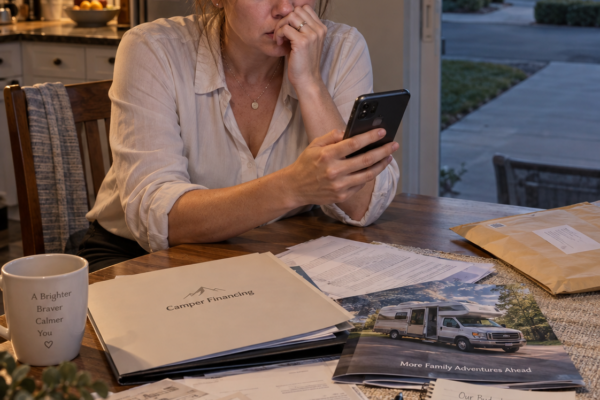
At 10:40, I opened the mortgage documents again.
Nicole had forwarded me a long email chain five days earlier.
I had skimmed it.
The important question then had been simple.
Would I sign?
No.
Now I read everything.
Estimated payment.
Taxes.
Insurance.
Cash reserves.
Debt-to-income ratio.
I was not a mortgage expert, but the basic problem was obvious.
Nicole and Mason could almost afford the house.
Almost.
And “almost” is exactly where lenders become very interested in other people’s balance sheets.
I reached the bottom of the email chain.
A message from the broker, Aaron Feldman.
If Avery declines to participate, Diane may qualify as an alternate supporting borrower, provided retirement income and reserve assets meet underwriting requirements.
Diane.
Mom.
I sat back.
Then saw her reply.
I’ll help however I can if Avery refuses. We just need to get Nicole into this house.
I read it again.
Mom had been pressuring me to assume a risk she had described as minor.
Apparently she had also volunteered herself.
I wondered whether she understood what she had volunteered for.
My guess was no.
Because Mom’s concept of mortgage help seemed to involve moral encouragement and maybe a check toward closing costs.
The bank’s concept involved legal responsibility.
I called the broker.
Voicemail.
“This is Avery Bennett. I’m calling regarding Nicole Bennett and Mason Cole’s mortgage application. I’m formally declining any role as co-borrower, guarantor or supporting applicant. I won’t authorize credit review or provide financial documentation. Please note the file accordingly. Thank you.”
Then I emailed the same language.
That was all.
I did not mention Mom.
I did not tell him to pursue her.
I did not ask the bank to punish anybody.
I removed my own name from a plan I had never agreed to join.
Then I went to bed.
At 9:32 Monday morning, Mom called.
I was reviewing quarterly reports at work.
I ignored it.
Again at 9:33.
Again at 9:35.
Then texts.
CALL ME.
The mortgage broker says they need MY tax returns and retirement statements now.
Another:
He says I would be responsible if Nicole can’t pay.
And finally:
Avery, did you know this is what they were asking you to do?
I stared at the message.
Then typed:
Yes.
The phone rang instantly.
This time I answered.
“What did you do?” Mom asked.
“Good morning.”
“Avery.”
“I formally declined.”
“He says because you’re not participating, they’re reviewing me.”
“You told him you would help if I refused.”
“I meant help.”
“That is what help means in this application.”
“No, it isn’t.”
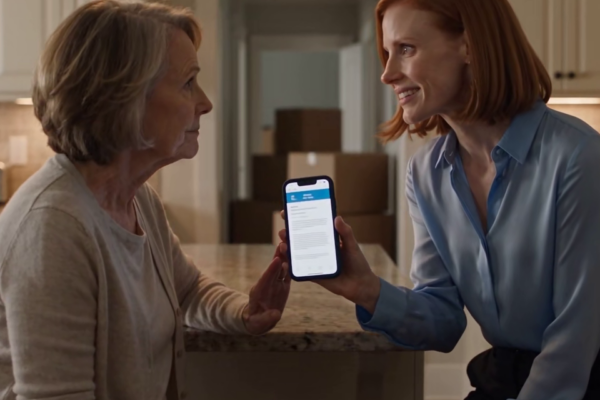
“What did you think co-signing meant?”
Silence.
Then:
“Not this.”
That sentence told me everything.
“What did you think I was refusing?”
“I thought your credit just strengthened the application.”
“It does.”
“Then why would you be responsible for payments?”
“Because that’s why my credit strengthens the application.”
Mom became quiet.
I let her sit with it.
Then she said:
“They want statements from my retirement account.”
“Yes.”
“And my pension information.”
“Probably.”
“And if something happened with their payments…”
“You could be responsible depending on the loan structure you sign.”
Mom exhaled slowly.
“I can’t do that.”
I said nothing.
“I’m sixty-four.”
Still nothing.
“I can’t put my retirement at risk.”
There it was.
The exact principle I had been trying to explain.
The difference was that the risk now had her name attached.
Finally I said:
“I understand.”
She heard it.
Not sarcasm.
Recognition.
Mom became defensive anyway.
“You’re enjoying this.”
“No.”
“You want me to see how it feels.”
“No.”
“What do you call this?”
“I call it the same mortgage.”
Silence.
“I didn’t change the terms, Mom. I just declined mine.”
She lowered her voice.
“Nicole is going to lose the house.”
“No.”
“What do you mean no?”
“She doesn’t own it.”
“You know what I mean.”
“She may not qualify for this house under these terms.”
“That’s the same thing.”
“It isn’t.”
That distinction would become important later.
Mom ended the call without saying goodbye.
Nicole called ten minutes later.
I let it go to voicemail.
Her message:
“Are you serious? You told the broker no after we already talked about this?”
We had talked.
I had said no.
That was the strange part.
Nicole believed a boundary remained negotiable until she agreed with it.
At lunch, I received a repair estimate for my car.
$2,860.
New door skin.
Paint blending.
Labor.
I sent it to Nicole.
No commentary.
She replied:
That is insane.
Then:
I barely touched it.
I wrote:
Send it to your insurer.
No answer.
Two days passed.
Mom called Wednesday.
Her tone was different.
“I’m not co-signing.”
“Okay.”
“I told Nicole this morning.”
“How did she take it?”
“You know.”
I did.
“She said I ruined everything.”
I almost smiled.
“Did that sound familiar?”
Mom went quiet.
Then:
“Yes.”
That mattered more than an apology.
“She said I don’t believe in her.”
“What did you say?”
“That believing in her and signing a thirty-year financial obligation are not the same thing.”
I leaned back in my chair.
Exactly.
Mom heard my silence.
“I know.”
“What?”
“I know that’s basically what you said.”
“Yes.”
“I didn’t listen.”
“No.”
Another pause.
Then she surprised me.
“I should have cared about the car.”
I looked out my office window.
“You cared that nobody was hurt.”
“That wasn’t enough.”
“No.”
“I kept thinking Nicole was upset and you could afford the repair.”
There it was.
Family math again.
Nicole was upset.
Avery was capable.
Therefore the event should cost Avery.
Mom continued:
“I’ve done that a lot.”
I said nothing.
“Made the more capable person absorb things.”
“Yes.”
“I’m sorry.”
The apology was quiet.
No dramatic breakdown.
That made it more useful.
“Thank you.”
Nicole did not apologize.
Not then.
Her insurer contacted mine.
The claim moved through normal channels.
She had told them she misjudged the distance while reversing.
No police.
No dramatic evidence reveal.
The adjusters did what adjusters do.
My car went into the body shop for three days.
I paid nothing beyond what the insurance process required.
Nicole and Mason did not get the Brookfield house.
The lender offered them a smaller preapproval.
They hated it.
They renewed their apartment lease.
For the first month, Nicole treated that like a personal tragedy.
Then something unexpected happened.
They started saving.
Not because I taught them a lesson.
Because the easy option disappeared.
Mason picked up two weekend installation projects.
Nicole paid down one credit card.
Six months later, their credit was better.
Mom told me this cautiously, as though mentioning it might reopen everything.
“Good,” I said.
“That’s all?”
“What should I say?”
“I don’t know. You used to have opinions.”
“I still do.”
“You’re not giving them.”
“Nicole didn’t ask.”
Mom smiled.
“I’m learning that too.”
My relationship with Nicole became colder before it became better.
We missed Thanksgiving together.
Not officially.
She went to Mason’s family.
I went to Mom’s.
At Christmas, we were both there.
We exchanged polite gifts.
No argument.
No repair.
Sometimes that is what progress looks like at first.
Nine months after the driveway incident, Nicole called.
“I have news.”
“What?”
“We got approved.”
“For what?”
“A townhouse.”
Not Brookfield.
A smaller place ten minutes farther from Mom.
“On your own?”
“Mason and me.”
I smiled.
“Congratulations.”
She was quiet.
Then:
“I’m not calling for money.”
“I didn’t think you were.”
“Yes, you did.”
“Maybe a little.”
She laughed.
It was the first normal laugh between us in months.
Then she said:
“I owe you for the car thing.”
“Insurance handled it.”
“That’s not what I mean.”
I waited.
“I was mad at you.”
“I know.”
“I knew you were standing there.”
That was the sentence.
The one I had never asked her to say.
“Did you mean to hit the car?”
She took too long.
“Not exactly.”
I almost laughed.
“What does that mean?”
“I backed up faster than I should have.”
“Because you were mad.”
“Yes.”
“Did you think you’d hit it?”
“I thought I’d scare you.”
There it was.
Ugly.
Immature.
Honest.
“I’m sorry.”
I let the words sit.
Then:
“Thank you.”
She did not ask me to forget it.
I did not say everything was fine.
A week later, she sent me a photograph of their new townhouse after closing.
Two bedrooms.
Small deck.
Ordinary kitchen.
She wrote:
No co-signer.
I replied:
Best feature.
She sent back an eye-roll emoji.
I laughed.
Mom called later that evening.
“Did she send you the picture?”
“Yes.”
“She’s very proud.”
“She should be.”
Mom hesitated.
“Do you think we made things too easy for her?”
“We?”
She laughed softly.
“Fine. Me.”
“Yes.”
“I figured.”
I looked at my car parked below my apartment window.
The passenger door had been repaired so well I could no longer identify the dent.
That surprised me.
For months, I had assumed I would always see it.
Instead, the thing that remained was not the damage.
It was the moment everyone had decided the damage did not count because I could handle it.
That had been our family pattern for years.
Nicole’s problems arrived as emergencies.
Mine arrived as inconveniences.
The mortgage did not fix that.
The car did not fix it.
One phone call certainly did not fix it.
What changed was smaller.
Mom finally experienced the same request with her own name attached.
Nicole finally had to pursue something without someone else absorbing the risk.
And I stopped confusing being capable with being available for consequences that belonged to other adults.
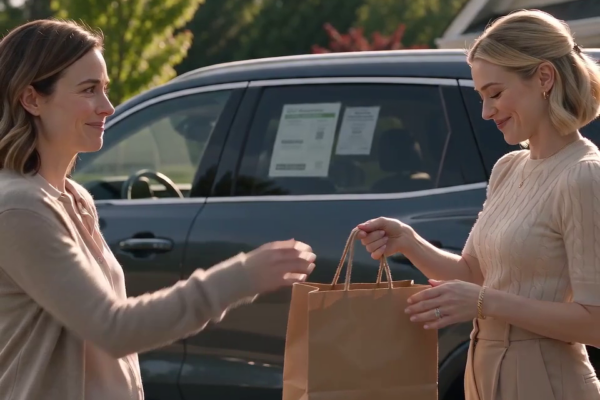
The following spring, Mom invited both of us for Sunday lunch.
When I pulled into the driveway, Nicole’s new car was already there.
I parked farther down than necessary.
She noticed.
“Seriously?”
I locked my car.
“Habit.”
She shook her head.
Then stepped away from the driveway and dramatically held both hands where I could see them.
“Your vehicle is safe.”
Mom came outside carrying iced tea.
“What are you two doing?”
“Nothing,” I said.
Nicole smiled.
“Just respecting property lines.”
Mom groaned.
I laughed.
So did Nicole.
It wasn’t forgiveness wrapped in a bow.
It was better.
It was a family joke that no longer required me to be the joke.