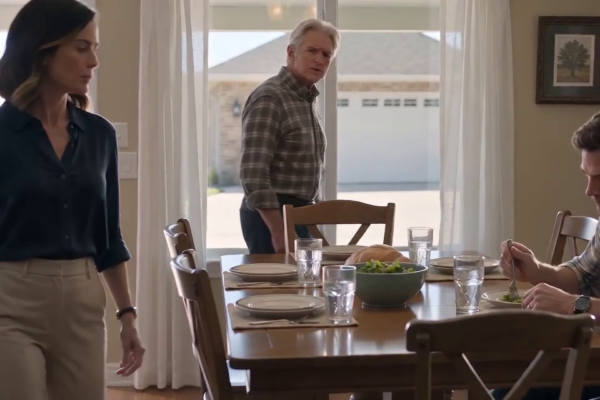
At Our Family Barbecue, Uncle Mike Laughed That I’d “Die Alone With My Cats” Because I Was 36 and Single—Then, Less Than Ten Minutes Later, My Relatives Decided I Should Put My Job and Life on Hold to Become Grandma’s Full-Time Caregiver Because I Had “No Husband or Kids to Worry About,” as if the Life They Mocked Somehow Belonged to Everyone Else
Uncle Mike believed every family gathering required entertainment.
Unfortunately, he also believed somebody else should usually provide it.
At Thanksgiving, he mocked Cousin Jason’s new mustache.
At Easter, he spent ten minutes discussing Aunt Linda’s attempt at a low-carb diet.
At summer barbecues, somebody inevitably became the story everyone was expected to laugh at.
That July, it was me.
Again.
I was thirty-six years old.
Single.
Childless.
Owner of one orange cat named Walter.
According to Uncle Mike, those four facts were enough material to support an entire comedy career.
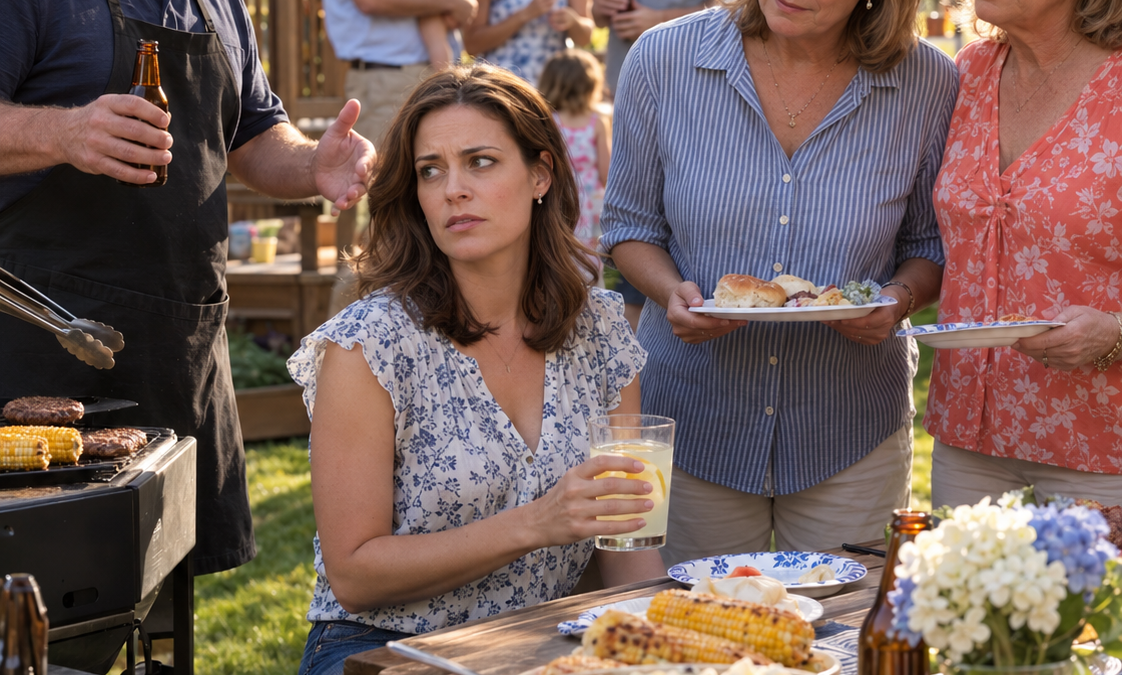
I arrived at Mom’s backyard carrying potato salad.
Mike spotted me from behind the grill.
“Well, look who finally showed up.”
He raised his beer.
“Still single?”
Several relatives turned.
I set the bowl down.
“Last time I checked.”
Mike grinned.
“I’m starting to think you actually like it.”
“I do.”
That answer never satisfied him.
The joke only worked if I secretly wanted the life he thought I was missing.
He flipped a burger.
“Guess you’ll die alone with your cats.”
A few cousins laughed.
Not cruelly.
Automatically.
That was almost worse.
Mom looked embarrassed but said nothing.
Aunt Linda suddenly found the ice bucket fascinating.
My younger cousin Megan gave me a sympathetic smile.
I smiled back.
“I only have one cat, Mike.”
I picked up a lemonade.
“Give me time.”
Everyone laughed harder.
Mike loved it.
I had given him permission to believe the joke landed.
For years, that had been my strategy.
If I laughed first, nobody had to notice that I was tired of being treated like my life was an unfinished draft.
The truth was that I did like being single.
Not in the defensive way people assumed.
I genuinely liked my life.
I managed commercial renovation projects for a regional design firm.
The job was demanding but satisfying.
I had bought a two-bedroom townhouse four years earlier.
My closest friends lived within twenty minutes.
On Wednesday nights, I played trivia.
Once a month I met six women at a bookstore café and pretended our book club was still about books.
I traveled when I could.
Sometimes with friends.
Sometimes alone.
I had dated.
There had been relationships.
One had lasted nearly four years.
None had become a marriage.
I did not view that as tragedy.
My family did.
Mom was subtler than Mike.
She said things like:
“I just want you to have someone.”
Aunts asked whether I worried about getting older alone.
Cousins suggested apps.
Mike simply said the rude part aloud.
“You joke now,” he continued from behind the grill, “but wait until you’re sixty and need somebody to take care of you.”
I looked at him.
“I’ll try to schedule the collapse before Walter dies.”
Megan nearly spit out her drink.
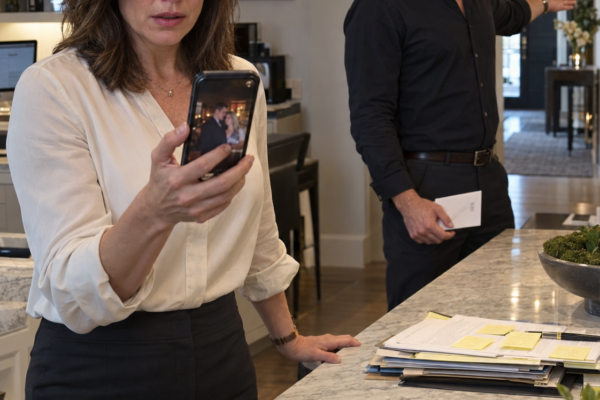
Then Mom appeared beside the table.
She carried a paper plate but wasn’t eating.
“Actually, speaking of taking care of people…”
I knew that tone.
Family-business tone.
“Grandma’s surgery is coming up.”
Grandma Ruth was Mom and Mike’s mother.
She was eighty-one and stubborn in the way people become when they have spent eight decades discovering that most advice is optional.
Her right hip had been bothering her for years.
She had finally agreed to replacement surgery.
“We need to figure out the recovery,” Mom continued.
Aunt Linda joined us.
“She’ll need someone there after rehab.”
“Especially nights,” Mom said.
“Meals too.”
“Laundry.”
“Appointments.”
Then Aunt Linda looked at me.
“Claire can probably stay there.”
I waited for the joke.
None came.
“Stay there?”
“For a few weeks.”
Mom immediately softened the number.
“Maybe six.”
“Six weeks?”
“Probably less.”
I looked around the table.
My cousin Rob had two children.
Megan was married.
Aunt Linda still worked three mornings each week at a dental office.
Mike owned an insurance agency.
Mom was retired.
Dad was semi-retired.
Every person present had apparently participated in some version of the discussion before I arrived.
“I work full-time.”
Mom nodded.
“I know.”
“Then why am I the obvious person?”
Aunt Linda answered.
“You have more flexibility.”
“No, I don’t.”
“You can work from home.”
“Two days a week.”
Mike laughed.
“Come on, Claire.”
I turned toward him.
He pointed the grill tongs at me.
“You don’t have kids.”
Aunt Linda added:
“Or a husband.”
Nobody said anything for a moment.
I wanted to make sure I had understood.
“So because I’m unmarried, my job can be interrupted for six weeks?”
Mom frowned.
“Don’t make it sound like that.”
“How should I make it sound?”
“We’re talking about Grandma.”
“I know.”
“Then why are you being defensive?”
That was the family trick.
Turn the assumption into kindness.
Then turn resistance into selfishness.
I looked toward Mike.
“Ten minutes ago, you told me my life was pathetic because I don’t have a husband and children.”
He grinned awkwardly.
“It was a joke.”
“And now my lack of husband and children makes my time belong to everybody.”
“That’s not what I said.”
“It’s exactly what you said.”
Mike put the tongs down.
“Jesus, Claire. We’re asking you to help Grandma.”
“No.”
The answer came out calmly.
That surprised all of us.
Mom blinked.
“No?”
“I’ll help.”
I pointed toward the patio table.
“I’ll bring groceries. I’ll drive her to an appointment. I can spend one evening a week there.”
Then I shook my head.
“But I’m not moving into her house for six weeks.”
Aunt Linda stared.
“Who else is supposed to do it?”
I almost laughed.
There were eleven adults in the backyard.
Apparently none counted once I refused.
Mike took a drink.
“Family really means something to you, huh?”
That landed differently.
For thirty-six years, my family had evaluated my life through what was missing.
No husband.
No children.
No traditional household.
But the second they needed labor, all that empty space became community property.
I picked up my purse.
“I’m going home.”
Mom followed me toward the side gate.
“Claire.”
I stopped.
“You’re overreacting.”
“No.”
“You know Mike.”
“Exactly.”
“He jokes.”
“This stopped being about his joke.”
She looked tired.
“What is it about then?”
“My life only counts when it’s convenient for everybody else.”
Mom sighed.
“That isn’t true.”
“Then stop treating my time like the family emergency fund.”
I left.
Halfway home, something bothered me.
Not Mike.
Grandma.
Nobody had mentioned what she wanted.
At a red light, I called her.
She answered after several rings.
“You survive the barbecue?”
“Barely.”
Grandma chuckled.
“Michael cooking again?”
“Unfortunately.”
I took a breath.
“Did you ask for someone to live with you after surgery?”
Silence.
“What?”
“Mom says the family decided somebody should stay for about six weeks.”
“I know nothing about six weeks.”
“And they volunteered me.”
Grandma’s tone hardened.
“They did what?”
That answered almost everything.
She explained that her surgeon expected a short rehabilitation stay after the operation.
After that, she had been researching a licensed home-care service for several hours each day during the first weeks back home.
“Mike told me that was ridiculous.”
“Why?”
“He said I’d be throwing money away.”
“What did he suggest?”
“Family.”
Grandma made the word sound suspicious.
“Apparently I have enough relatives to form my own nursing staff.”
I pulled into my townhouse driveway but stayed in the car.
“Why didn’t anyone tell me you already had a plan?”
“Because Michael hates the plan.”
“Because it costs money?”
“Yes.”
“Your money?”
“Yes.”
I leaned back.
There it was.
Not a secret inheritance.
Not some hidden crime.
Something simpler.
Mike thought Grandma should preserve her savings when a free relative could absorb the cost in time.
Grandma sounded irritated.
“I have money because I saved it.”
She had worked thirty-one years as an elementary-school secretary after Grandpa died.
She lived carefully.
Bought used cars.
Kept furniture until it genuinely fell apart.
She had savings.
Not millions.
Enough.
“I didn’t save so everyone could stand around my funeral admiring the balance.”
I laughed.
“That’s dark.”
“I’m eighty-one. I’ve earned dark.”
Then her voice softened.
“Claire, sweetheart, I do not want you moving into my house.”
“Good.”
“I love you.”
“I know.”
“You also reorganize my pantry every time you visit.”
“That happened once.”
“Three times.”
I smiled.
“I can come with you when you interview the care agency.”
“I would appreciate that.”
“I can drive you to appointments when it works.”
“Good.”
“But I’m keeping my job.”
“Obviously.”
“My house.”
“I should hope so.”
“My own schedule.”
Grandma paused.
“Claire.”
“Yeah?”
“Being unmarried does not make your life a waiting room.”
I swallowed.
That sentence stayed with me.
The following morning, the family group chat began.
Mom:
We need to settle Grandma’s schedule before surgery.
Linda:
Claire, can you send the dates you can stay?
Mike:
This really shouldn’t be complicated.
I read all three.
Then Grandma appeared.
Nobody is staying with me.
Mom replied almost immediately.
We’re only trying to make sure you’re safe.
Grandma:
I already arranged professional help.
Mike:
Mom, we talked about this.
Grandma:
You talked. I listened.
I laughed aloud.
Mike:
Why would you spend thousands when Claire is available?
This time, I didn’t need to answer.
Grandma did.
Claire is not available. Claire has a life.
Five minutes passed.
Then:
And so do I.
The chat went silent.
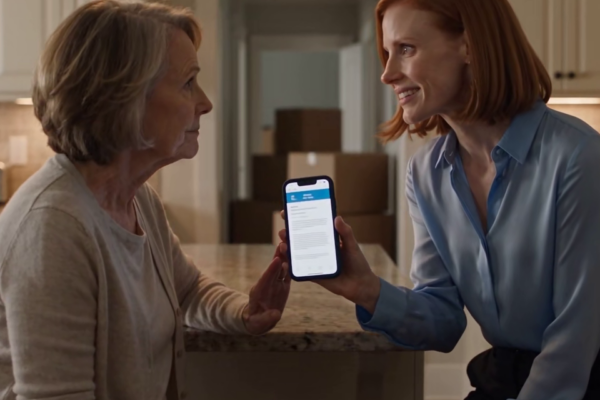
Two days later, Grandma asked me to accompany her to meet the home-care coordinator.
Her name was Denise.
She was practical and specific.
Four hours each weekday during the first two weeks home.
Three hours after that.
Medication reminders.
Meals.
Light housekeeping.
Bathing assistance if needed.
Physical-therapy exercises.
Grandma asked about every cost.
Every cancellation policy.
Every staff qualification.
By the end, she had a plan.
“What about nights?” I asked.
“The first two nights, we recommend family if possible.”
Grandma looked at me.
Before she could speak, I said:
“I can take the first.”
She nodded.
“Thank you.”
“Someone else takes the second.”
“Agreed.”
That distinction mattered.
I was helping because I chose to.
Not because my marital status turned me into available inventory.
Mom accepted the second night.
She didn’t sound thrilled.
But she accepted.
Surgery went well.
Grandma spent five days in rehabilitation.
When she came home, I stayed the first night.
We ate takeout chicken soup at her kitchen table.
At ten, I helped organize her medications.
At midnight, she called from the hallway because she had dropped her water bottle.
At three in the morning, I woke up because I thought I heard her fall.
It was the refrigerator turning on.
By breakfast, I was exhausted.
Grandma looked smug.
“Still think six weeks sounded reasonable?”
“No.”
“Good.”
Mom arrived at nine to take over.
She looked at my face.
“That bad?”
“Nothing happened.”
“That’s good.”
“Exactly.”
I put on my coat.
“That’s the point. Caregiving is work even when nothing happens.”
Mom didn’t argue.
The next month changed our family in small ways.
Aunt Linda delivered groceries on Tuesdays.
Dad handled one physical-therapy ride each week.
Megan brought dinner Fridays.
Mike contributed nothing.
Not because nobody asked.
Because he believed Grandma’s paid aide should now handle everything.
The irony was impressive.
He had opposed paid care because family should help.
Once the professional was hired, he decided family no longer needed to.
Grandma noticed.
She didn’t complain.
At least not immediately.
Then one Sunday, Mike visited while I was there.
He found Grandma at the dining table writing a check for the care service.
His expression changed.
“That much?”
Grandma kept writing.
“It’s my monthly invoice.”
“You’re really going to keep paying this?”
“Yes.”
“Mom, this is eating into your savings.”
She looked up.
I stayed silent.
Mike continued.
“You could cut back the hours.”
“I could.”
“Claire comes by all the time.”
I closed my eyes.
There it was again.
Grandma put down her pen.
“Michael.”
“What?”
“Claire comes because she loves me.”
“Exactly.”
“No.”
Grandma pointed the pen at him.
“That is not the same as employment.”
Mike shifted.
“I’m just saying family should take care of each other.”
Grandma leaned back.
“Wonderful.”
She looked directly at him.
“Thursday mornings are open.”
His expression froze.
“What?”
“My aide doesn’t come Thursday morning.”
She smiled sweetly.
“You can handle breakfast, laundry and my therapy exercises.”
“I work Thursdays.”
“So does Claire.”
Silence.
I bit the inside of my cheek.
Mike recovered.
“My schedule is different.”
Grandma nodded.
“I’m sure it is.”
Then she picked up the check.
“This is why I pay professionals.”
He didn’t like that.
He liked what came next even less.
“I saved this money for my old age.”
Grandma’s voice remained calm.
“I am old.”
Mike looked uncomfortable.
“Mom—”
“I am not preserving my savings by spending somebody else’s life.”
The room went still.
I looked at her.
She continued.
“And I am certainly not going to teach Claire that because she didn’t marry, everybody gets to divide her time.”
Mike stared at the table.
For once, he had no joke.
Grandma recovered steadily.
Within two months, she needed far less assistance.
By month three, the home-care visits ended.
She continued physical therapy.
Started driving locally again.
Returned to her Wednesday card group.
Life normalized.
Except something had changed.
Mom called me one evening.
“I owe you an apology.”
That sentence was rare enough that I sat down.
“For what?”
“The barbecue.”
I waited.
“I knew asking you was unfair.”
“Then why did you?”
Mom sighed.
“Because it was easy.”
That answer was painful.
Also honest.
“You don’t have children.”
“I know.”
“And you’ve always handled things.”
“I know that too.”
She paused.
“I think sometimes we confuse capable with available.”
That was the first time anyone besides Grandma had named it.
“I appreciate you saying that.”
Mom asked whether I could forgive her.
“I’m not angry.”
That was mostly true.
“I just need it not to happen again.”
“It won’t.”
I believed she meant it.
Whether she could maintain it was another question.
Uncle Mike took longer.
Months later, Grandma hosted a small Sunday lunch.
Mike arrived carrying a grocery bag.
I nearly checked whether I had entered the correct house.
He placed it on the counter.
“Mom asked for coffee.”
Grandma called from the living room.
“And trash bags.”
Mike rolled his eyes.
But affectionately.
I was leaving when he followed me onto the porch.
“Claire.”
I stopped.
He shoved his hands into his pockets.
For once, he did not have a beer or an audience.
“I was a jerk.”
“Yes.”
He looked surprised.
I smiled.
“You didn’t ask whether you were.”
He almost laughed.
“Fair.”
A pause.
“I didn’t really think about it.”
“I know.”
“I thought because you were…”
He searched for the word.
“Free.”
I raised an eyebrow.
“I’m not free.”
Mike nodded.
“Right.”
“I’m unmarried.”
Another pause.
“That’s not the same thing.”
“No.”
“It isn’t.”
That was the closest thing to an apology Mike knew how to offer.
I accepted it for what it was.
A year after the barbecue, I was at Grandma’s house on a Sunday afternoon.
Not because anyone assigned me.
Because I wanted to be there.
She was making cinnamon toast badly enough that I finally took over.
“You’re using too much butter,” I said.
“At eighty-two, I use exactly as much butter as I please.”
My phone buzzed.
A message from my friend Tara.
Flight confirmation.
Three days later, we were leaving for Santa Fe.
Grandma looked at the screen.
“Vacation?”
“Yep.”
“With a man?”
I stared at her.
She kept a straight face for approximately two seconds.
Then laughed.
“You’re terrible.”
“I’m eighty-two.”
“You already used that excuse for the butter.”
“It works for everything.”
I packed the cinnamon toast onto two plates.
Walter’s automatic feeder was scheduled.
My suitcase was half packed.
My Monday meeting had already been delegated.
Nothing about my life looked like the version Uncle Mike considered complete.
That no longer interested me.
Before I left, Grandma handed me a container of leftover soup.
“You don’t have to take care of me, you know.”
“I know.”
“That’s why I like it when you do.”
I kissed her cheek.
There was the difference.
Choice.
On my way down the walkway, Mike pulled into the driveway.
He got out carrying her weekly coffee and trash bags.
“Hey, cat lady.”
I looked at him.
He immediately raised both hands.
“Sorry. Habit.”
“Careful.”
He grinned.
“Going somewhere?”
“Santa Fe.”
“Nice.”
No joke about husbands.
No prediction about dying alone.
Just nice.
I got into my car.
The old insult had bothered me because part of me still believed I needed my family to validate the shape of my life.
What happened afterward taught me something more useful.
People often confuse a life that looks open with a life that is empty.
They are not the same.
My calendar was mine.
My home was mine.
My relationships were mine.
My time was mine.
I could spend Wednesday night alone with Walter.
Friday night with friends.
Sunday afternoon making cinnamon toast for Grandma.
None of those choices required a husband or children to become legitimate.
At the next family barbecue, Mike did not ask whether I was still single.
Nobody volunteered me for anything.
Grandma sat under the patio umbrella with her cane leaned against the chair.
When I arrived, she lifted her lemonade.
“There she is.”
Not the single one.
Not the flexible one.
Not the woman with nobody waiting at home.
Just me.
For the first time, that seemed to be enough.