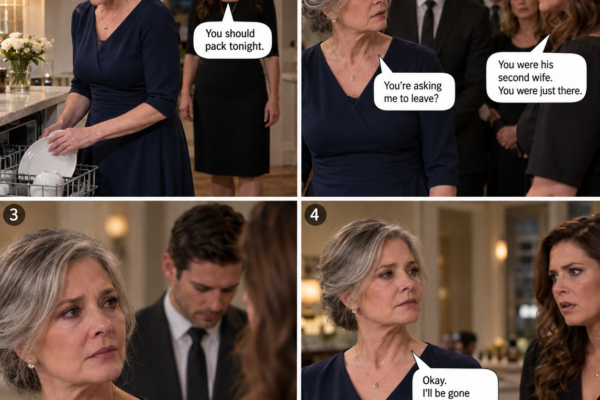
While I was overseas, my mother texted, “Don’t come home—we changed the locks,” because my sister wanted the house I was paying for
My mother waited until I was 4,300 miles away to tell me I no longer had a key to the house I was paying nearly five thousand dollars a month for.
The message arrived at 11:18 on a Tuesday night.
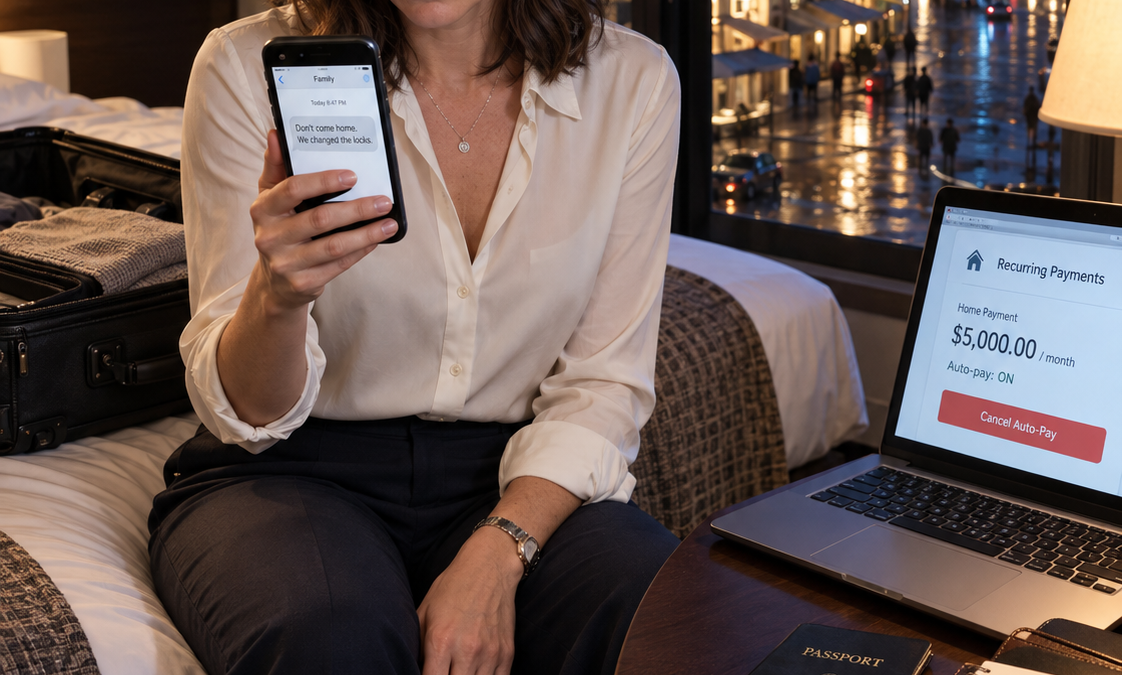
I was sitting on the edge of a hotel bed in Lisbon, still wearing the navy pants and white blouse I had worn to dinner with a client.
Outside my window, traffic moved slowly along the wet street.
Inside, my phone lit up.
Mom.
I expected something ordinary.
A question about the thermostat.
Maybe a photograph of the hydrangeas she had planted along the driveway.
Instead:
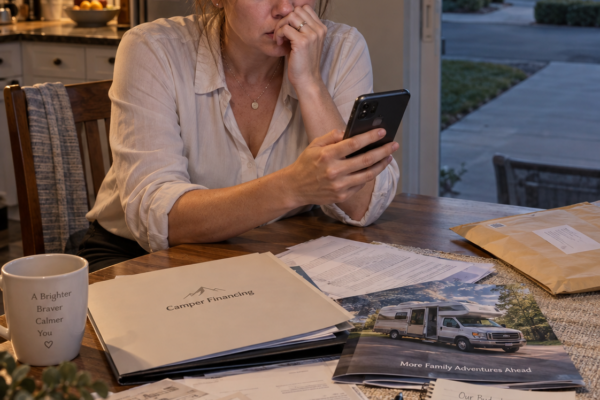
Don’t come back to the house when you return. We changed the locks. Abby needs the space now.
I read it twice.
Then once more.
There was something almost impressive about the efficiency.
No argument.
No warning.
No attempt at softening the sentence.
My mother had simply waited until an ocean separated us and changed the locks.
I typed:
OK.
Her reply arrived within seconds.
I’m glad you’re being mature about this.
I stared at that sentence longer than the first one.
Then I laughed.
Not because anything was funny.
Because sometimes one sentence contains an entire family system.
The house was located outside Raleigh in a quiet neighborhood called Willow Bend.
Four bedrooms.
A brick front.
Two-car garage.
Small fenced backyard.
Nothing extraordinary.
Four years earlier, it had felt like a practical solution.
Mom was fifty-nine and newly divorced.
The divorce had not left her destitute.
She had savings.
A retirement account.
Enough equity from her old house to make a meaningful down payment.
But her income alone made qualifying for the kind of house she wanted difficult.
I was thirty-four.
Single.
Working as a regional implementation consultant for a healthcare software company.
I traveled two or three weeks every month.
My apartment sat empty so often that paying rent had started feeling ridiculous.
Mom suggested we purchase something together.
“You need somewhere permanent,” she said.
“So do I.”
The idea made sense.
I contributed $86,000 toward the purchase.
Both our names went on the ownership documents.
My income carried most of the financing qualification.
We divided expenses.
Mom would cover utilities, taxes and ordinary household costs.
I would handle the mortgage.
The payment came to $4,972.18 every month.
I rounded it to five thousand in my head.
For the first year, the arrangement worked.
When I was home, I had the upstairs bedroom at the end of the hall.
A desk.
A dresser.
A closet filled with the clothes I didn’t travel with.
Mom had the primary suite downstairs.
We sometimes ate dinner together.
Sometimes we barely saw each other.
It was adult roommates who happened to be mother and daughter.
Then Abby’s relationship ended.
My younger sister was thirty at the time.
She had lived with her boyfriend for nearly four years.
When they separated, she needed somewhere to stay.
Mom called.
“Only for a couple months.”
I said yes.
Of course I did.
Abby moved into the third bedroom.
Two months became four.
Four became nine.
Eventually, nobody discussed when she was leaving.
She contributed some groceries.
Occasionally utilities.
She helped Mom around the house.
It was fine.
Mostly.
The first sign that something had shifted came during Christmas.
One of our cousins asked Abby where she lived.
“With Mom,” she said.
Then she gestured around the room.
“This is basically our family house.”
I said, “It’s Mom’s and mine.”
Abby laughed.
“You’re never here.”
Several people smiled.
I let it go.
I traveled.
That was true.
Some months I slept in Willow Bend only eight or nine nights.
But the mortgage still left my account on the first business day.
My absence did not reduce the payment.
The joke appeared again.
Then became language.
Mom would say:
“When you come visit.”
Not:
“When you come home.”
Abby moved furniture in my office because she wanted space for an exercise bike.
Mom turned one shelf in my bathroom into storage.
None of it was worth fighting over individually.
That was the problem.
Family arrangements rarely transform in one dramatic moment.
They transform through dozens of small decisions nobody thinks require permission.
Two months before Lisbon, Abby told Mom she wanted to remain in the house permanently.
She had started seeing a man named Caleb.
They were talking seriously.
The neighborhood had good schools.
The house had space.
One Sunday, Mom brought it up.
“Abby loves Willow Bend.”
“I know.”
“She may want to buy eventually.”
“Buy what?”
Mom looked surprised by the question.
“The house.”
I put down my coffee.
“You mean my share too?”
“Well, eventually.”
“That would require a conversation.”
“We’re having one.”
“No. You’re informing me Abby wants it.”
Mom sighed.
“Rachel, you’re barely here.”
There was that sentence.
“It’s still half mine.”
“I know.”
“And I’m still paying the mortgage.”
“I know.”
“So what exactly are you suggesting?”
“Nothing right now.”
That phrase should have worried me.
Instead, I said we would discuss it after Portugal.
I had a twelve-day trip.
Three client meetings.
Then a two-day internal planning session.
When I left, my room was intact.
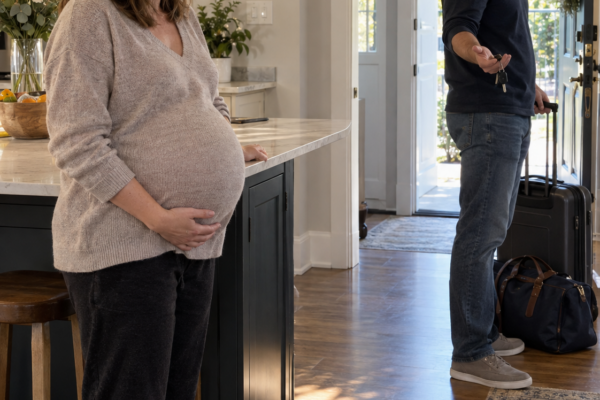
My key worked.
Mom hugged me in the driveway.
“Safe flight.”
Abby waved from the porch.
Six days later, the locks changed.
I sat in the Lisbon hotel reading the text again.
Don’t come back to the house when you return.
I opened my banking app.
Mortgage payment scheduled Monday.
For four years, the autopay had been mechanical.
I barely noticed it anymore.
Every month:
-$4,972.18.
I pressed Manage.
Then Cancel Automatic Payment.
A warning appeared.
Canceling autopay does not cancel amounts owed.
I knew that.
I wasn’t abandoning a mortgage.
I was stopping the arrangement where payment occurred without thought.
I would handle my obligations deliberately from now on.
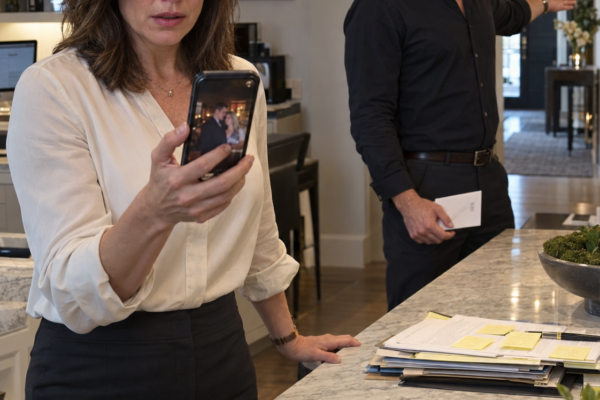
Then I opened the household account.
Each month, I also sent $600 toward maintenance reserves.
I stopped that recurring transfer.
Nothing else.
No revenge spree.
No canceled utilities.
No attempt to make the house unlivable.
Just an end to automatic participation.
I sent Mom no warning.
She had already given me hers.
Then I put my phone on Do Not Disturb.
I slept surprisingly well.
The next morning, seventeen missed calls waited.
Eight from Mom.
Six from Abby.
Three from a local number I did not recognize.
I went downstairs for breakfast.
An email arrived while I was stirring sugar into coffee.
Keller Residential Group.
URGENT — 1847 Willow Bend transaction cannot proceed.
I stopped.
Transaction?
I opened it.
Dear Rachel,
We have been attempting to reach you regarding the proposed transfer and sale of the Willow Bend property.
I read the sentence again.
Proposed sale?
The email continued.
Their office had been working with my mother and Abby for almost three weeks.
Three weeks.
Before I had even boarded my flight.
The plan was straightforward on paper.
Abby would buy the property at a price significantly below its current market value.
Mom would transfer her interest.
Abby would refinance the existing balance.
My ownership interest would be transferred at closing.
Except I had never agreed.
The next paragraph said:
Because your authorization and signature remain outstanding, the scheduled transaction cannot proceed. Please contact our office immediately.
Attached were documents.
I opened them.
A proposed purchase contract.
Abby as buyer.
Mom listed as seller.
My name also appeared.
Rachel Monroe — seller.
Beside it:
Signature pending.
For a few seconds, I did not feel angry.
I felt detached.
Like I was reviewing paperwork from a stranger’s divorce.
Then I noticed the price.
$465,000.
The house had been appraised the previous year near $610,000.
Abby was buying at almost $150,000 below market.
My mother was not only giving her the house.
She was giving away part of my equity.
I scrolled.
Then I found something else.
A note from the buyer’s lender.
Abby’s income did not fully support the financing structure they had proposed.
The file assumed a family contribution toward closing costs.
Another attachment referenced an anticipated seller credit from me.
$60,000.
I laughed aloud.
The couple at the next breakfast table looked over.
I didn’t care.
They had changed the locks.
Listed my interest for transfer.
Discounted the house.
And built the deal around another sixty thousand dollars from me.
Apparently removing me from the house did not mean removing me from the financing.
My phone buzzed.
Abby.
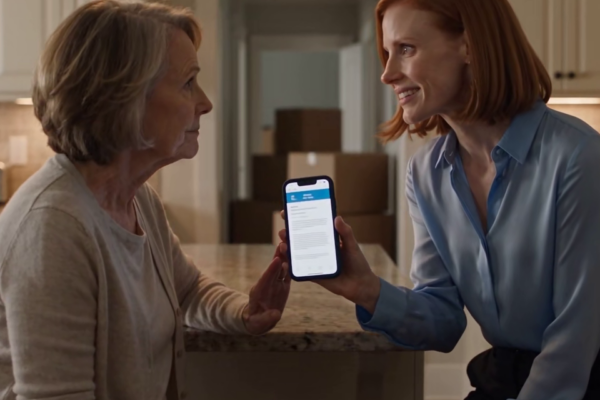
Please call. Mom said you agreed to this.
I stared.
That sentence mattered.
Mom said.
Not:
We agreed.
Not:
You promised me.
Mom said you agreed.
I called neither of them.
Instead I opened the spreadsheet I kept for the property.
Not because I planned revenge.
I wanted perspective.
Down payment: $86,000.
Mortgage payments over forty-seven months.
Maintenance reserve contributions.
Roof repairs after a storm.
Part of the HVAC replacement.
Homeowners insurance increase.
I had put nearly $330,000 into Willow Bend.
Mom had also contributed.
Taxes.
Utilities.
Her original equity.
Furniture.
Labor.
It had been a real shared arrangement.
That was why the betrayal mattered.
This wasn’t secretly my house.
It wasn’t secretly hers.
It was ours.
And she had decided “ours” could become Abby’s while I was outside the country.
Another email arrived.
Rachel, the parties are asking us to resolve this today. Please call as soon as possible.
The parties.
As though I was not one.
I archived it.
Then went to my client meeting.
For three hours, I discussed software integrations and data migration.
It was strangely helpful.
Work contained clear roles.
If someone needed approval, they asked the person whose approval was required.
Family apparently operated under another system.
At lunch, Mom texted.
Rachel, stop being difficult. We can sort out your part later. Abby needs the house more than you do.
There it was.
Need.
The word that had excused almost everything in our family.
Abby needed somewhere to stay after her breakup.
Mom needed help qualifying for a mortgage.
Mom needed me to travel less at Christmas.
Abby needed the larger bedroom.
Someone always needed.
And somehow, my ability to solve a problem slowly became evidence that I should.
I replied:
You changed the locks.
Mom answered:
Because Abby needs to feel like the house is hers if she’s buying it.
I stared at the screen.
Before she had bought it.
Before I had agreed to sell it.
My mother had already staged the emotional transfer.
I typed:
Then she should buy a house that belongs to her.
Mom called.
I declined.
Again.
Again.
I finally sent:
I’ll deal with the property when I return. I will not discuss it by phone.
Then I muted the thread.
The brokerage emailed twice more that week.
I did not call.
The transaction expired.
Not because I canceled autopay.
That only changed how the next mortgage payment would be handled.
The sale failed because one owner had never agreed to sell.
Me.
I returned to North Carolina the following Friday.
I did not go to Willow Bend.
That was important.
Old Rachel would have driven there directly.
Demanded entry.
Inspected the lock.
Argued in the kitchen until midnight.
Instead I booked a hotel near my office.
The next morning, I went to my bank.
I arranged manual payment of my share of the mortgage while the property situation was resolved.
Then I met with the same real-estate brokerage.
Not to revive Abby’s deal.
To request an open-market valuation.
The agent, a woman named Teresa, looked embarrassed.
“I was told you supported the family transfer.”
“I didn’t.”
“I understand that now.”
“Did anyone tell you I was overseas?”
“Yes.”
“Did that seem unusual?”
Teresa paused.
“Yes.”
At least she answered honestly.
She showed me the correspondence.
Mom had repeatedly said:
Rachel is busy.
Rachel travels constantly.
Rachel is fine with Abby taking over.
Rachel will sign when she gets back.
Not forged consent.
Not a crime thriller.
Just assumption repeated until professionals began treating it like fact.
That almost made it worse.
I thanked Teresa.
Then I emailed Mom and Abby.
I am not transferring my share to Abby.
I am also not returning to the previous arrangement.
We have two reasonable options:
- You buy my interest at an independently appraised value and refinance without me.
- We sell the property on the open market and divide proceeds according to ownership.
Please decide which option you want to pursue.
Mom called within thirty seconds.
I did not answer.
Abby texted:
You’re selling our home because Mom changed a lock?
I replied:
No. I’m ending a shared ownership arrangement after you both attempted to transfer my interest without my agreement.
She wrote:
I didn’t know you hadn’t agreed.
I believed her.
Not immediately.
But enough to keep the conversation open.
We met two days later at a coffee shop.
Abby arrived alone.
That was promising.
She looked exhausted.
“I’m sorry about the locks.”
“Did you ask Mom to change them?”
She looked at the table.
“Yes.”
That answer hurt.
“Why?”
“Because she said you’d agreed to move out.”
“I never did.”
“I know that now.”
“You didn’t call me.”
“She said you’d get emotional.”
I smiled without humor.
“So changing the locks while I was overseas seemed less emotional?”
Abby looked ashamed.
“I wanted the house.”
“I know.”
“I’ve lived there almost two years.”
“I know.”
“It feels like home.”
“I know that too.”
She looked up.
For the first time, she wasn’t arguing that she deserved it more.
She was explaining why she wanted it.
That was different.
“Can I buy you out?”
“Yes.”
She blinked.
“I thought you’d say no.”
“I don’t want the house.”
That surprised her.
I hadn’t known it myself until that moment.
Willow Bend had stopped feeling like home long before the locks changed.
I had just kept paying because leaving the arrangement felt harder than maintaining it.
“What number?” Abby asked.
“Independent appraisal.”
Her face fell.
“I can’t afford half of six hundred thousand.”
“Then you can’t afford the house.”
She became defensive.
“So that’s it?”
“That’s how buying something works.”
“Mom said family should work something out.”
“We did. For four years.”
She looked away.
The conversation ended quietly.
No screaming.
No thrown coffee.
Three weeks later, Abby’s lender declined her refinance at the market value.
Mom could not buy me out either.
So we listed the house.
Mom refused to speak to me for almost a month.
Abby moved into a rental with Caleb.
Mom rented a two-bedroom condo closer to her sister.
Nobody became homeless.
Nobody’s life was destroyed.
That mattered.
The story my family told at first was that I had “taken the house away.”
But I hadn’t.
I had stopped subsidizing a version of ownership where everyone enjoyed authority and I carried most of the financial obligation.
The house sold five months later to a couple with two young children.
Open market.
Normal inspection.
Normal closing.
No family discount.
No secret agreement.
At closing, I signed my portion.
Mom signed hers.
We barely spoke.
The proceeds were divided according to our documented ownership.
Abby received nothing from the sale because she had never owned it.
That was not punishment.
It was simply the first moment in years when the paperwork matched reality.
After closing, Mom finally called.
I answered.
“The buyers moved in yesterday,” she said.
“I know.”
“I drove past.”
I didn’t know what to say.
She continued.
“The hydrangeas are still there.”
“I’m glad.”
A pause.
“I didn’t think you would actually sell.”
“That was one of the options.”
“I thought you’d calm down.”
There it was.
The old assumption.
My boundaries were temporary emotions.
Her decisions were facts.
“I was calm.”
She was quiet.
Then she said, “I shouldn’t have changed the locks.”
“No.”
“I thought you would eventually give Abby the house anyway.”
“I know.”
“I was trying to help her.”
“I know.”
Another pause.
“I forgot it was yours too.”
That sentence was as close to the truth as we ever got.
Not:
I forgot your name was on paper.
She knew that.
She forgot my rights mattered as much as everyone else’s needs.
“Thank you for saying that.”
Mom began to cry.
I missed the version of our family that had existed before Willow Bend.
Even though I now understood much of it had depended on me not asking questions.
“I’m sorry,” she said.
“I know.”
We did not fix everything that day.
I stopped staying with Mom when I visited.
For a while, I stayed in hotels.
Then I bought a small two-bedroom townhouse fifteen minutes from my office.
Nothing extravagant.
The mortgage was less than half what Willow Bend had cost me each month.
The first night, I sat on the floor because my couch hadn’t arrived.
One suitcase beside me.
Takeout on the kitchen counter.
My keys were on the floor.
Front door.
Mailbox.
Garage.
Three keys.
All mine.
Nobody else had copies.
Not because I had become paranoid.
Because access had become something I wanted to give deliberately.
Six months later, Abby came over.
She had never seen the place.
She stood in the kitchen looking around.
“It’s smaller.”
“Yes.”
“You like it?”
“I do.”
She nodded.
Then smiled.
“It actually feels more like you.”
That was true.
We ordered Thai food.
For the first time since Willow Bend, we discussed what had happened without Mom between us.
Abby admitted she had wanted the house badly enough to accept explanations she should have questioned.
I admitted I had spent years using mortgage payments as a substitute for having difficult conversations.
“You never seemed attached to the house,” she said.
“I wasn’t.”
“Then why did you keep paying?”
That was the question.
I thought for a moment.
“Because I believed being dependable meant never changing the arrangement.”
Abby nodded.
“I believed living there meant it was becoming mine.”
We both had mistaken repetition for entitlement.
Different kinds.
Same mistake.
When she left, I walked her to the door.
She paused.
“Do you have a spare key?”
I looked at her.
Her eyes widened.
“I didn’t mean—”
I started laughing.
She did too.
“No,” I said. “Not yet.”
“Fair.”
I closed the door behind her.
Locked it.
Then stood in the quiet entryway.
Months earlier, Mom’s message had said:
Don’t come home.
At the time, those words felt like exile.
Now, standing inside a place nobody else could assign, transfer or redefine while I was out of the country, I understood something else.
Willow Bend had been a property I financed.
This was home.